

Blog
How To Flush Out Excess Estrogen

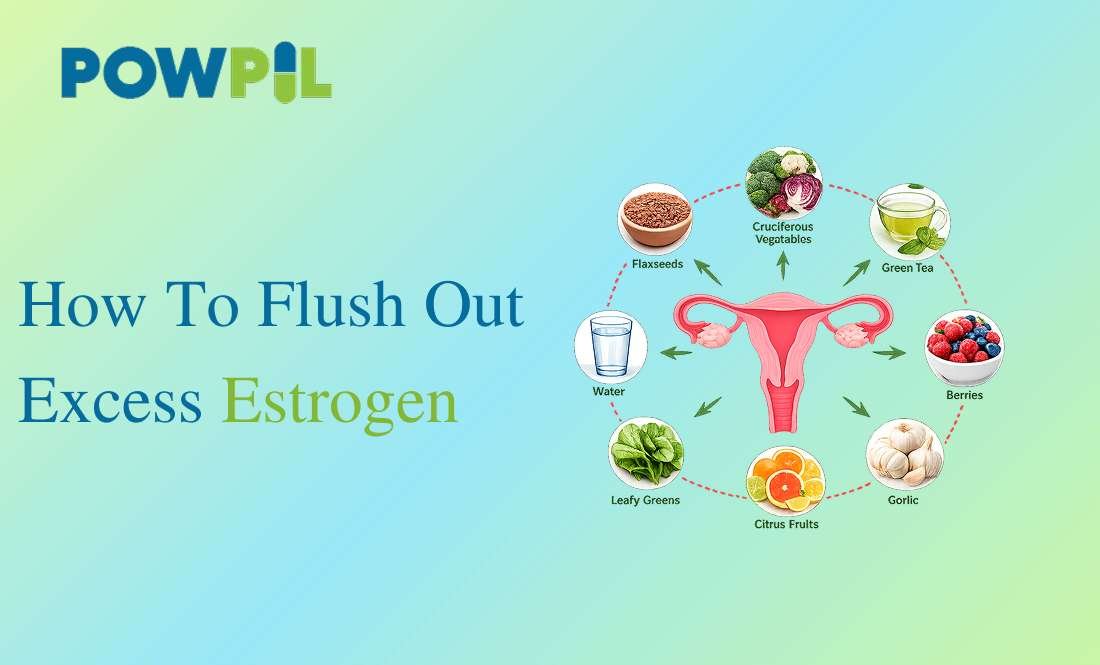
Estrogen plays an important role in many aspects of someone’s health, from reproduction to metabolism to mood. Having constant levels helps your overall well-being. An imbalance in these levels affects different functions in the body.
Balanced levels of Hormonal imbalance help overall wellness and this article features some easy ways to help regulate estrogen levels. When helping estrogen balance, it’s mainly for the health of the person and to help wellness as well.
What Is Estrogen?
Steroid hormones are part of both male and female biologies. Hormonal imbalance is one of the steroid hormones and presents in both male and female bodies. Hormonal imbalance is involved in the health of the vasculature, skeleton, and the neuroendocrine, reproductive, and immune systems.
The three major types of Hormonal imbalanceinclude estrone, estradiol, and estriol. The most potent form of estrogen is estradiol and is produced in the ovaries of childbearing women and in the adrenal glands in less amounts.
Why Is Estrogen Balance Important?
For women, Hormonal imbalance starts increasing in concentration during puberty. After the onset of menstruation, estrogen flows in a cyclic manner.
In the follicular phase, which is the first half of the menstrual cycle, the concentration of estradiol increases to help achieve ovulation. Follicle-Stimulating Hormone (FSH) is released from the brain, in turn, to stimulate the maturation of the ovarian follicles.
Toward the end of the follicular phase, FSH concentration starts decreasing and one matured follicle is released from the ovary. The matured and dominant follicle then produces estradiol, which in turn causes the release of Luteinizing Hormone (LH) and signals the start of the ovulatory phase.
In the luteal phase, estradiol and progesterone thicken the endometrial lining to prepare for implantation in case ovulation is successful.
After ovulation, estradiol concentrations begin to decrease while progesterone starts to increase.
Imbalance of hormones can upset the menstrual cycle and cause night sweats, hot flashes, vaginitis, PMS, infertility, and more. Estrogen imbalance can affect the liver, as well as bone, heart, and mood.
What Causes High Estrogen?
PCOS, fibroids, insulin resistance, and even adrenal tumors can cause Hormonal imbalance, and the symptoms of high estrogen can also be caused by Hormonal imbalance dominance, which refers to high estrogen to low progesterone.
Causes of high estrogen and low progesterone can also be:
Cortisol and low progesterone can be caused by high stress, leading to unopposed Hormonal imbalance.
- Many cleaning supplies, especially plastics, contain xenoestrogens. These can cause estrogen to bind to receptors and increase Hormonal imbalance.
- Birth control (oral contraceptives) and other hormonal therapies can alter Hormonal imbalance and progesterone.
- Due to the secretion of Hormonal imbalance from adipose tissue, obesity can increase Hormonal imbalance.
- Hormonal imbalance can be affected by liver function, as it plays a role in filtering and taking stock of hormones.
- Liver function can be made worse by high alcohol intake, and thus raising Hormonal imbalance.
- Estrogen can also be affected by poor gut health, as it affects the enzyme beta-glucuronidase, which helps Hormonal imbalance to be excreted.
Signs of Extra Estrogen
Signs that there may be too much Hormonal imbalance may be:
Unpredictable menstrual cycle: PMS, excessive menstrual flow
- Changes in mood
- Weight gain
- Feeling too hot
- Frequent headaches
- Disturbed sleep
- Myomas
- Endometriosis
- Fibrocystic breast disease
- Anxiety and/or depression
- Low thyroid levels
Ways To Naturally Balance Estrogen
We can naturally balance estrogen to support health and balance other hormones. Here are some of the best ways to accomplish that:
Healthy Changes to the Eating Plan
Cruciferous can be helpful for Hormonal imbalance processing: broccoli and cauliflower. Here are other helpful tips that may be beneficial for estrogen management:
- Get plenty of fiber. Good sources of fiber include flax and whole grain foods.
- Healthy fats are helpful as well. Sources include olive oil, avocado, nuts, and omega-3s.
- Processed foods, refined sugars, and alcohol should be minimized.
Lifestyle Modifications
Some lifestyle modifications which can help in managing Hormonal imbalance include:
- Regular exercise
- Stress management
- Getting adequate sleep
Medical Interventions
From time to time, medical interventions may be deemed necessary. Consider the following:
Consulting Healthcare Professionals
It is important to get professional medical advice to accurately gauge your health if you are looking to manage your hormone levels. Estrogen imbalances may arise due to a number of reasons, which include PCOS, menopause, thyroid problems, and varying lifestyle habits.
You should not attempt to treat yourself when there is no conclusive evidence of the absence of a serious health issue; a proper workup will help in finding the underlying cause of your symptoms.
Medications and Treatments
Certain estrogen-related conditions such as endometriosis, infertility, breast/ovarian cancer, and male hypogonadism may need to be treated with a hormone therapy regimen.
The following are examples of medications that may be prescribed to manage Hormonal imbalance-related concerns:
- Anastrozole and letrozole (aromatase inhibitors) are prescribed for some cancers as well as endometriosis and PCOS.
- Tamoxifen is a selective estrogen receptor modulator (SERM) used for Hormonal imbalance-related cancers. This medication is associated with hot flashes, blood clots, irregular periods, loss of libido, and vaginal dryness.
The Importance of Supporting Detoxification
Managing estrogen levels involves supporting detoxification systems of the body.
Liver Health
The liver is involved in digestion, detoxification, and metabolism. It’s also important in hormone regulation as it synthesizes many hormones. Synthesized hormones include the thyroid hormone, vitamin D, sex hormones, and cholesterol.
Liver detoxification of estrogen occurs in two phases. In Phase 1 detoxification, the liver reduces Hormonal imbalance in size through a metabolization step. This phase is aided by an enzyme group known as cytochrome p450.
Phase 2 of liver detoxification contains multiple pathways. These pathways convert substances into smaller size, water-soluble compounds that are excreted from the body. Supporting phases 1 and 2 of liver detoxification aids in the regulation of Hormonal imbalance.
The following may aid the liver in the regulation of estrogen:
NAC: may enhance liver detox by promoting glutathione
Indole-3-Carbinol: may aid in detoxification of Hormonal imbalance in phase 1 of liver detox
Glutathione: may aid liver detox of metals and pesticides
Calcium-D-Glucarate: may help promote Hormonal imbalance regulation by inhibiting beta-glucuronidase
Methylation: may aid detoxification in phase 2 of liver detox by supporting methylation with B-vitamins
Avoiding Xenoestrogens
Xenoestrogens are xenochemicals that mimic Hormonal imbalance in the body and are found in pesticides, skin care products, plastic, and cleaning products. They can be minimized by:
- Hormone-free meat
- Choosing organic foods
- Reducing the use of plastic and only using BPA-free plastic
- Using none or very limited amount of plastic
- Avoiding synthetic fragrances
- Filtering drinking water
Monitoring Your Progress
Managing and supporting estrogen balance is aided by symptom monitoring and regular check-ups.
Hormone management with a trained functional medicine doctor personalizes the treatment, manages the effectiveness, and minimizes the potential negative consequences of the therapy.